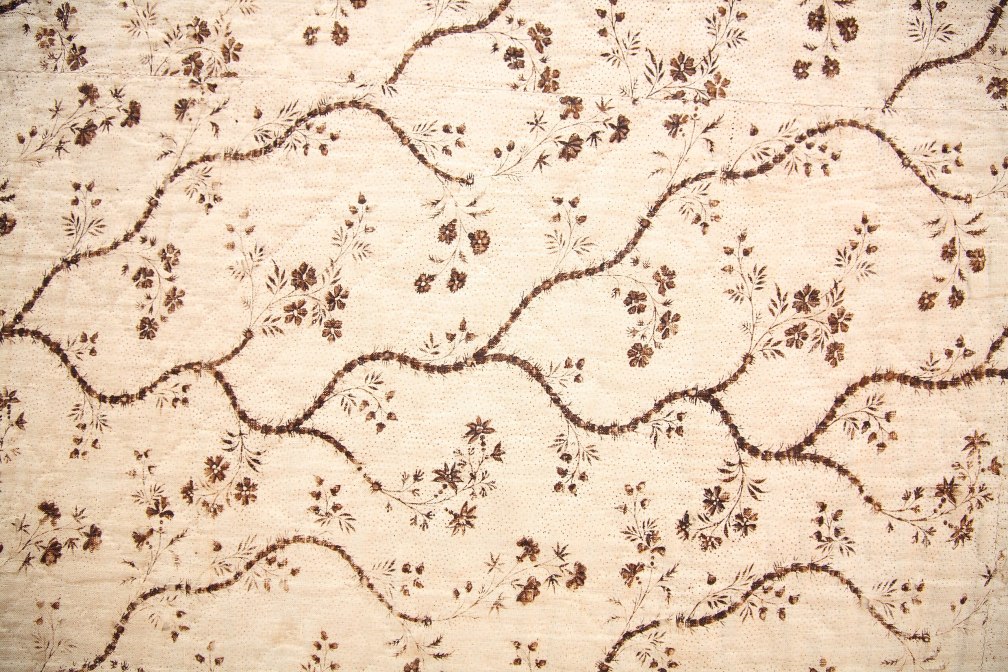
A creamy white fabric is covered with a winding series of small flowers, leaves, stems growing from left to right. The design is colored in brown.

“Don’t run for executive board”: How to Take Over Your Union from the Bottom Up

[This post is part of my series on union organizational structures.]

Many workers today find themselves asking, “If unions in general are good, why does my union suck?” The member meetings are unbearably tedious, abuses and unsavory conditions are widespread at work, wages keep falling against inflation, health insurance premiums keep going up, and, worst of all, none of the union’s initiatives or campaigns seem to be helping. 

For many workers who are dissatisfied with their union, taking over the executive board appears like the logical way to make their unions better. They think that the union itself is a good thing and all that needs to be done is replace the bad leadership with good leadership. As common as this mindset is among union activists, it ignores a deeper and structural critique of why today’s unions are so dissatisfying in the first place. More often than not, such efforts to win union leadership end up perpetuating the very structures that are responsible for the dissatisfaction in the first place.

Unions have different structures and dimensions that are worth teasing apart and evaluating separately. What’s good about the union is the bringing together of workers to fight for better a better life. At its core, the union is democratic because workers are taken together as all having equal standing and voice. The union is militant because it’s based on workers taking action together. The union is radical because workers deciding and acting together in their own interests sets them apart from and against the overarching economic structures of society wherein workers merely exist to be squeezed by investors for profits.

Continue reading

Sun People, Moon Spaces, and the Source of Grassroots Power

[This post is part of a series on relationship-based organizing.]

[The featured image shows the Taft Bridge in Washington, D.C. Photo credit to Matt Blaze.]

Artist and organizer Ricardo Levins Morales speaks of sun spaces and moon spaces to explain how power is generated in some spaces but is merely derivative or reflected in others (in pamphlet form here, in a video here). I first heard about the concept when a fellow worker and organizer created a workshop of these ideas and brought them to a picket line where we were both on strike. I’ll apply his brilliant metaphor to relationship-based organizing and develop it in some other directions as well. 

Continue reading

The Unbearable Emptiness of Voting

[This essay of mine was originally published at The Hampton Institute. Visit this page for more of my posts that relate to anarchism. A free and printable PDF pamphlet version of this essay is available here.]

Election season makes me feel like the kid who doesn’t have a stuffed animal on “bring your teddy bear to school” day. Everyone else has a favorite who they can tell good stories about and cuddle with, but I don’t so I feel left out. Then I remember that there are good reasons to resist getting pulled down by the undertow of elections.

Like cute stuffed animals, politicians make people feel good while having a marginal effect on positive social change. The main differences between stuffed animals and politicians are that 1) stuffed animals are actually cuddly, and 2) people don’t invest vast amounts of political hope and agency in stuffed animals. I recognize that arguing against what many people hold dear makes me kind of a grump, but I aspire to be one who is not stuck in idle criticism but is offering alternative ideas. The variety of grumpiness that I espouse is one grounded in grassroots social movements that focus on direct action independent of party politics.

Continue reading